
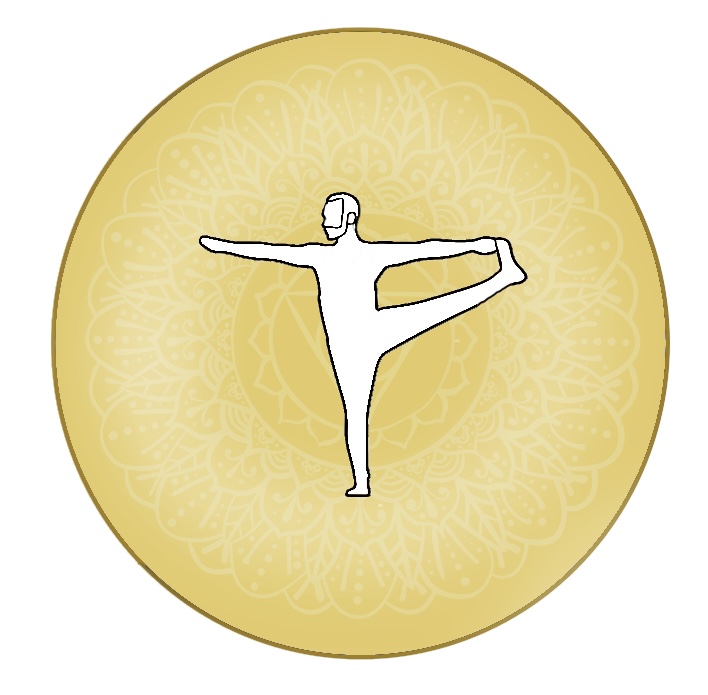
Step-by-Step Guide:
- Position yourself so that your feet are together and your arms are by your sides. Keep your spine long and your gaze straight ahead.
- Shift your weight to your left foot. Raise your right knee slowly toward your chest.
- Hold the right big toe with your thumb and first two fingers (yogic toe lock) by reaching your right hand down. For balance, keep your left hand on your hip.
- Straighten your right leg in front of you. Don’t round your back; just go as far as you can. Keep your knee bent if you are unable to fully extend your leg.
- Keep your chest lifted and shoulders relaxed. Stay here for 3–5 breaths. Focus on a steady item in front of you to help you balance.
- For a deeper stretch and challenge, open your extended right leg out to the side while keeping your left hand on your hip. Maintain a straight back and a solid standing leg.
- Return to Mountain Pose by bringing your leg back to the center and lowering it gently.
Dos
- Warm Up the Hamstrings and Hips Before Attempting
- Engage Your Standing Leg and Core for Stability
- Keep the Spine Tall and Chest Lifted
- Use a Strap Around the Foot if Needed
- Focus Your Gaze (Drishti) to Help Maintain Balance
Don’ts
- Don’t Lock or Hyperextend the Standing Knee
- Don’t Round the Upper Back While Reaching Forward
- Don’t Force the Raised Leg Higher Than Your Flexibility Allows
- Don’t Grasp the Foot with a Tense Shoulder
- Don’t Hold Your Breath or Strain for Balance
Share Pose


