
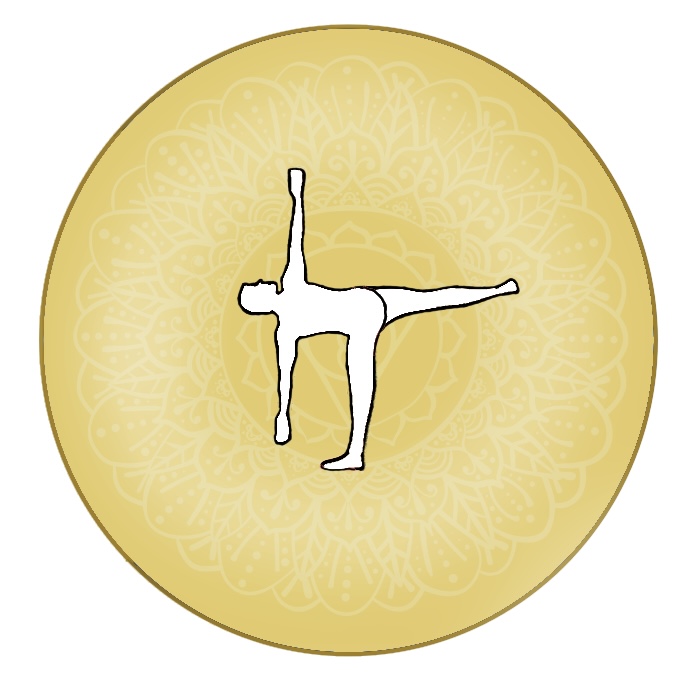
Steps
- To start, you can stand on your right foot and keep your right fingertips on the floor.
- Exhale and lower your left fingertips to the floor, creating a stable base with both hands.
- Inhale and twist your torso to the right, bringing your left shoulder down.
- Exhale and lift your right hand off the floor, reaching your right arm toward the sky.
- You can hold this pose for 5-8 breaths while also maintaining your spinal twist and balance.
- Exhale, then slowly untwist your right hand back to the floor to release this yoga pose.
- Step your left foot back to standing after returning to Half Moon Pose.
- Repeat on the left side: Begin Half Moon Pose, standing on your left foot.
- Exhale and lower your right fingertips to the floor.
- Inhale and twist your torso to the left, lifting your left arm toward the sky.
- Hold for 5-8 breaths, then release and return to standing.
What to Keep in Mind?
Dos and Don’ts
Here’s what you need to keep in mind:
- Use blocks under your bottom hand if you cannot reach the floor comfortably.
- Keep your lifted leg active by flexing your foot and engaging your glutes throughout.
- Focus on your breath and avoid holding it even when the pose feels challenging.
Here is what you must keep in mind:
- Don’t force the twist – let it come naturally from your thoracic spine.
- Make sure you don’t collapse your weight onto your bottom hand.
- Don’t turn your lifted leg inward- keep your hip, knee, and foot pointing to the side.
- Don’t attempt this pose if you have lower back, shoulder, or hamstring injuries.
Share Pose


