
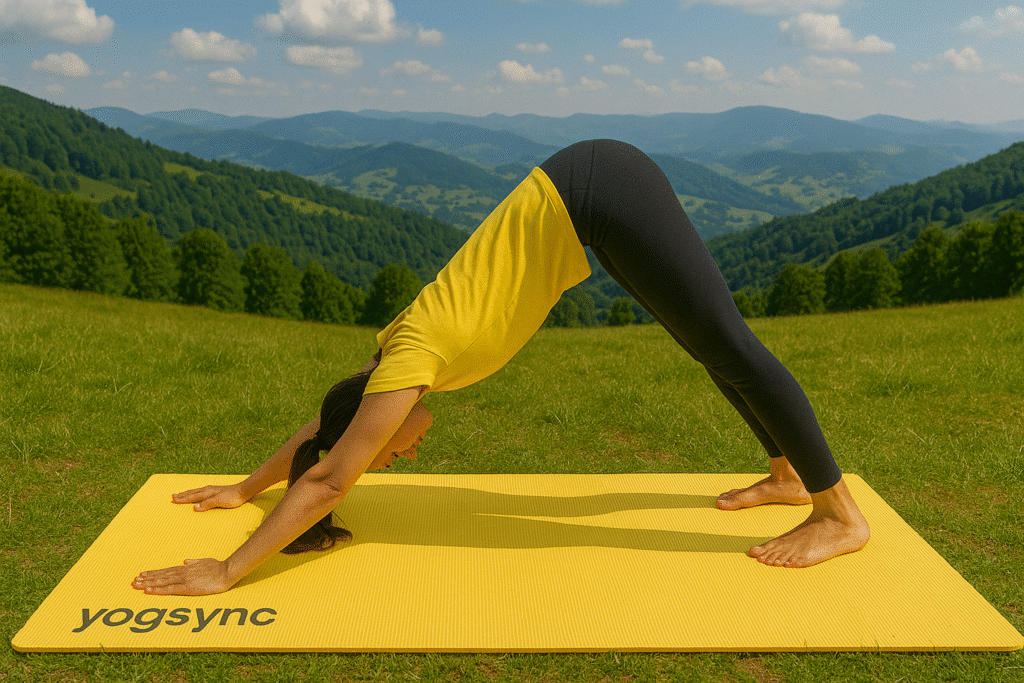
Flow Like a Gentle Wave in the Downward Facing Dog Position
Start your yoga journey with Downward-Facing Dog a gentle yet energizing pose that stretches your body, improves posture, and calms the mind.
by Yogsync Team
A wise person once said that a little effort today can make a big difference tomorrow. Whoever quoted it was right, and you, looking to learn about a new yoga position today, have understood it perfectly.
Yoga promises physical and mental well-being and helps you care for yourself. The Downward-Facing Dog Position, the posture you will learn about today, can strengthen and stretch your body. It is the eighth step of Surya Namaskar, also called the Salutation to the Sun.
The Downward Dog Position can boost blood circulation, help with back pain, and calm your mind. You need a simple and easy set of instructions to perform it. You can always refer to our guide for the Downward-Facing Dog Pose.
Right now, let us read this post to learn about the origin and benefits of the yoga position.
A Quick Introduction to the Downward Dog Position
Also called the adho mukha svanasana, the Downward Dog is a foundational yoga position. It plays a notable role in the present-day yoga practice. It can be one of the initial poses to include in your yoga routine.
As its name suggests, the Downward Dog position imitates the way a dog stretches while getting up. If you break down its Sanskrit meaning, it will indicate the same. Let us break it down for a better understanding. Adho Mukha Svanasana includes different words. Adhs means down, mukh means face, svana goes for dog, and asana refers to the seat or position.
There is no mention of the Downward Dog Position in medieval hatha yoga texts. However, there are traces of Gajasana, a similar pose, in the Hathabhyasapaddhati from the 18th century.
The Downward Dog also resembles one of the dhands, a system of poses from Indian gymnastics. Its similarity with the Sun Salutation is also worth noting. However, neither the Sun Salutation nor Dhand exercises were considered part of yoga in the 1930s.
Benefits of the Downward Dog Position
Here, let us learn about the benefits of the Downward Dog:
Spine Elongation
The Downward Dog reverses the way you stand for a brief period. This turns the pressure on your spine, realigning your vertebrae. It elongates and strengthens the muscles supporting the spine, which can help if you have back pain. The upper and mid-back muscles are opened, too.
Upper Body Strengthening
The Downward Dog engages the upper body muscles, supporting flexibility and strength. At the same time, it strengthens the shoulders and upper back. It stabilizes the body, which benefits the arms, shoulders, and upper back.
Flexibility Promotion
The stretching of arms and legs promotes their range of motion, the extent muscles can move. Joint mobility is increased due to stretching of the Achilles tendon, the calf muscles, and ankle joint ligaments.
Arms, Wrists, and Fingers Strengthening
You have learned about arm stretching resulting from the Downward Dog. Let’s tell you about the strengthening of wrists and hands due to the position’s weight-bearing nature. This can lay the foundation for other yoga poses requiring an emphasis on arms and wrists.
Pelvis and Lower Back Strengthening
The yoga posture promotes internal rotation in your hip flexors. This, along with the spine lengthening, results in the strengthening of the pelvis and lower back. It stretches your calves, hamstrings, ankles, and other connecting muscles.
Improvement in Concentration
The Downward-Facing dog pose can help calm your mind and lower anxiety and stress. Holding the pose requires concentration and focus, which can help promote clarity of mind. Your tension is released, and the mind becomes relaxed.
Energizes and Relieves Stress
The spinal column is stretched and unblocked with the Downward Dog. This pose boosts the body with flowing energy and relieves muscle fatigue. Stretching allows the regular flow of blood in the upper body.
Improves Posture
The Downward-Facing Dog promotes good and strong body posture. It happens due to its regular practice, which can expand the torso and open the shoulder blades. It opens the hips and stretches the glutes. It extends your spine from the cervical to the lumbar.
Conclusion
Active indulgence in physical activities provides many promising benefits to overall health. Yoga poses, like the Downward Dog, offer a quick and easy way to reap all these benefits. In this post, we have walked you through the perks it promises. It can stretch your hamstrings, hands, feet, and calves. Your body is energized, and the spine is elongated with many other benefits. You also learned about its traces in Indian gymnastics and its resemblance to the Sun Salutation pose.
Now, if you look forward to taking advantage of everything the Downward Dog Position has to offer, look no further. Check out our detailed guide for step-by-step instructions on the Downward Dog.
Share article



Related Articles
Embrace Balance and Lightness with Half Moon Pose
Half Moon Pose is a gentle way to build balance, strength, and flexibility all while…
Warrior 2 Pose: Origin Story & Powerful Key Benefits
Begin your yoga journey with Warrior Two Pose a gentle yet powerful stance that builds…
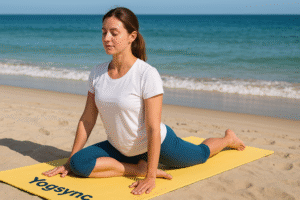
Unlock Your Hips and Release the Heart With Pigeon Pose
Ease into Pigeon Pose to gently open your hips, release lower-back tension, and calm your…